
Understanding the current equine flu outbreak and the practical steps you can take to protect your horse.
If, like us, you’ve been following recent disease surveillance updates, you’ve probably noticed an increasing number of reports relating to equine influenza across the UK. Whilst many horse owners remember the significant outbreak of 2019, the rise in confirmed cases during spring 2026 is a timely reminder that equine influenza remains one of the most contagious diseases affecting our horses.
So, what is happening, why are cases increasing, and what can we do as responsible horse owners to reduce the risk?
What Is Equine Influenza (flu)?
Equine influenza is a highly contagious viral respiratory disease that affects horses, ponies and donkeys. It spreads easily through coughing, direct horse-to-horse contact and contaminated equipment, clothing and vehicles.
Because the virus is airborne (and said to be able to travel for 2km in the air), it can move quickly through yards where horses are stabled in close proximity. One infected horse can potentially expose many others before obvious signs of illness appear.
Common symptoms include:
- · A high temperature
- · A dry, persistent cough
- · Nasal discharge
- · Reduced appetite
- · Lethargy
- · Poor performance or reluctance to work
Whilst most horses recover fully with appropriate care, the disease can result in weeks of lost training, missed competitions, lengthy recovery periods and of course big financial implications.
The Current Situation
Data collected through the Equine Infectious Disease Surveillance (EIDS) network shows a significant increase in confirmed outbreaks during spring 2026.
After a relatively quiet start to the year, multiple outbreaks were identified during April. By early May, more than 40 laboratory-confirmed outbreaks had been reported across numerous counties throughout the UK, with further cases under investigation. Between 29/03/2026 and 03/06/2026 a total of 88 confirmed cases were reported to the Equine Infectious Disease Surveillance (EIDS), however, week on week since the end of April, this reported number has been declining. That said, the EIDS stated that they were aware of a further 31 confirmed outbreaks not included in their reports due to privacy issues.
One of the most useful findings from surveillance data is the role that horse movement appears to be playing in the spread of the disease. A large proportion of affected premises had recently introduced new horses before clinical signs developed.
Why this matters to all horse owners
It can be tempting to think equine influenza is only a concern for competition horses travelling regularly, or those on livery yards with new horses coming on to the yard, but in reality, it can impact every horse.
Many outbreaks begin with a horse looking completely healthy. The horse may not develop symptoms for several days, but during that time could already be shedding virus and infecting others.
The current outbreak highlights that good biosecurity is everyone’s responsibility.
Sensible steps to protect your horse:
1. Vaccination: Protecting your horse and the wider population
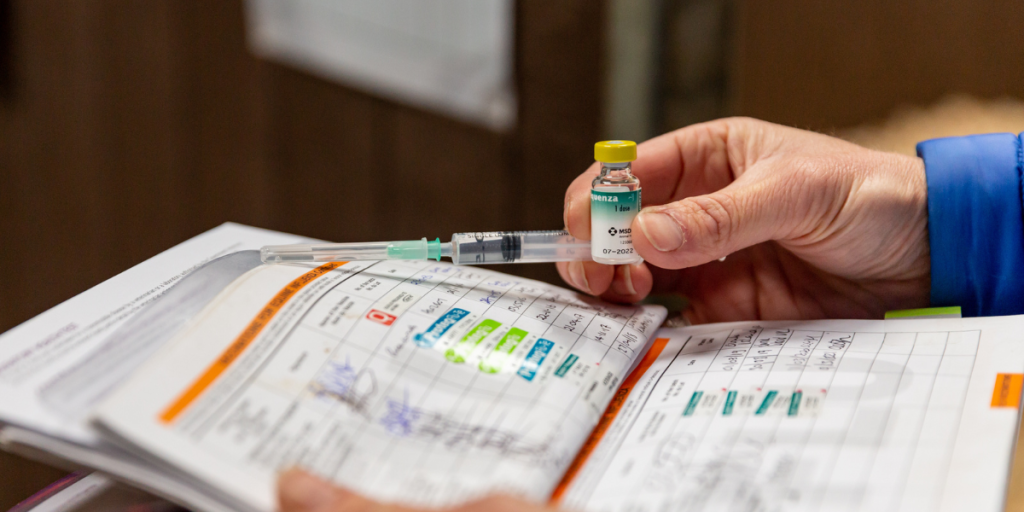
Vaccination remains the most effective tool available to reduce the spread and impact of equine influenza and is not just for those who are competing/training, vaccinations for youngstock and for retired horses are just as important.
While vaccination may not always prevent infection completely, vaccinated horses generally experience milder symptoms, recover more quickly and are less likely to shed large amounts of virus into the environment.
For horses competing/training regularly, maintaining optimal vaccination protection is increasingly important with many governing bodies and vets, recommend six-monthly boosters for competition horses, rather than relying solely on annual vaccination schedules, particularly during periods of increased disease activity. To help keep everyone safe, some organisers and governing bodies are now requiring proof of vaccinations before the horse is allowed to compete.
1a. Understanding herd immunity
One of the most important concepts in disease control is herd immunity.
Research suggests that if approximately 70–75% of the UK’s equine population were vaccinated against equine influenza, sufficient herd immunity could be achieved to dramatically reduce transmission and potentially eradicate the disease from the UK horse population.
Unfortunately, current estimates suggest that only 40–50% of horses in the UK are vaccinated, leaving a substantial proportion of the population susceptible to infection.
This means that vaccination isn’t just about protecting your own horse. Every vaccinated horse contributes to reducing the overall circulation of the virus, helping to protect horses across the UK.
In simple terms, the more horses that are vaccinated, the harder it becomes for the virus to spread.
2. Quarantine new arrivals
Whenever possible, newly arrived horses should be kept separate from resident horses for an appropriate isolation period.
During this time:
- Take daily temperatures
- Monitor for coughing or nasal discharge
- Use separate equipment
- Avoid direct contact with other horses
Isolation may feel inconvenient, but it remains one of the most effective ways to prevent disease entering a yard.
3. Get into the habit of taking temperatures
Knowing your horse’s normal temperature can help you identify illness much sooner, an elevated temperature is often the earliest sign of infection and may appear before coughing or nasal discharge.
4. Improve everyday biosecurity
Simple routines can make a significant difference:
- Wash your hands between handling horses
- Clean and disinfect shared equipment
- Avoid sharing buckets and feed bowls
- Clean trailers and horseboxes after use
- Change outer clothing if moving between isolation areas and healthy horses
Good biosecurity doesn’t have to be complicated. Consistency is what matters.
5. Be sensible when travelling/competing
This doesn’t mean stopping all activities, but it does mean being sensible. It is always worth taking into consideration:
- The vaccination status of your horse
- The vaccination status of other horses at the venue
- Biosecurity measures at venues/in transport
- Being sensible when you are there by not letting horses touch noses and avoiding sharing equipment/water buckets etc
Making informed decisions helps reduce risk without creating unnecessary restrictions
6. Call your vet early
If your horse develops a temperature, cough or other respiratory signs, contact your veterinary surgeon promptly.
Early diagnosis not only helps your horse receive appropriate care but also protects other horses by allowing swift implementation of isolation measures.
The bigger picture
The recent rise in equine influenza cases serves as a reminder that infectious disease remains a challenge for the equestrian community and whilst most people are sensible, the nature of the virus means that many people wouldn’t know if their horse was shedding until they became unwell – hence the importance for good biosecurity.
Every horse owner can play a role in reducing the spread of disease. By staying informed, monitoring our horses carefully and following sensible biosecurity practices, we can help protect not only our own horses but also the wider equestrian community. For more information and up to date numbers follow: https://www.facebook.com/EquineInfectiousDiseaseSurveillance