As the days start to stretch (Yeay!), and the ground firms up, spring always feels like a fresh start to the year ahead. Competitions/training days loom on the horizon, hacks become more inviting, and there’s a sense of renewed motivation. So whilst you get inspired, it’s worth taking a moment to consider a few key management foundations. A little preparation now can save a lot of trouble later.
Here are five things to think about this spring to keep both you and your horse on track.
1. A sensible weight management plan
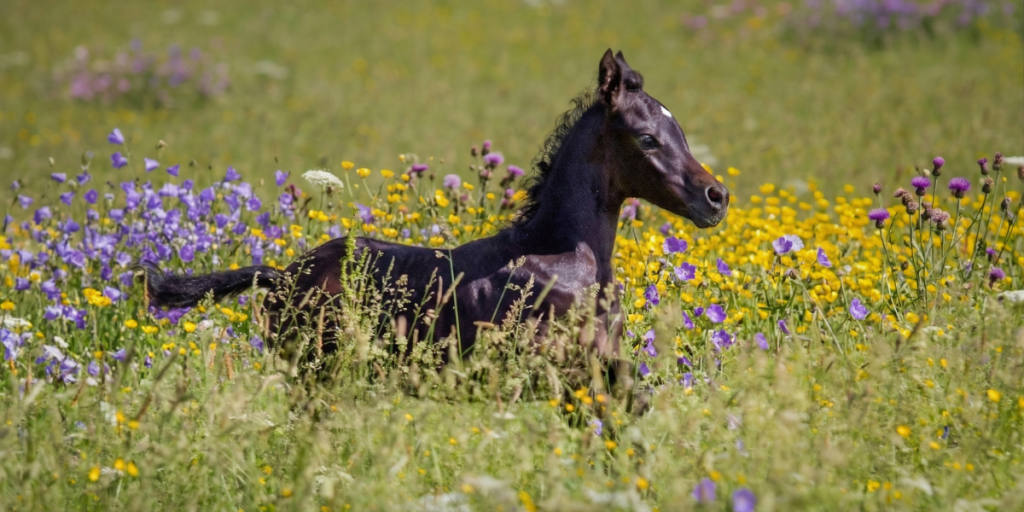
Spring grass is wonderful – but it’s also deceptively rich. After a winter where many horses have been on restricted forage or limited turnout, that first flush of grass can lead to rapid weight gain. For some horses and ponies, this isn’t just a cosmetic issue; it can significantly increase the risk of laminitis.
Now is the time to be proactive rather than reactive. Think about how much grass your horse is really getting as you might not be able to see the growth in the fields, and start monitoring and recording your horse’s weight.
Management looks different for everyone but might include a review of overall nutrition intake, an exercise plan, strip grazing, using a track system, or turning out at times when sugar levels are lower. Grazing muzzles can also be a very useful tool when used correctly – they allow horses to socialise and move naturally while limiting intake.
Equally important is being honest about your horse’s current condition. A weigh tape, regular body condition scoring, and even photos can help you track changes over time. It’s far easier to prevent weight gain than to try and reverse it once it’s crept on.
If you are an EquiTeam member, you can use our Body Condition Scoring download to help track your horse’s condition.
2. Time for a faecal worm egg count
Spring is the perfect time to review your worming strategy, and that starts with a faecal worm egg count (FWEC). Rather than routinely worming “just in case,” targeted worming based on evidence is now considered best practice.
A worm egg count tells you whether your horse is actually shedding worms and therefore whether treatment is necessary. This helps avoid overuse of wormers, which is a growing concern due to resistance. It also means you’re only treating when needed, which is better for your horse and more cost-effective.
It’s worth remembering that worm egg counts don’t detect all types of worms (such as encysted small redworm or tapeworm), so they should be part of a broader, vet- or SQP-guided plan. But as a starting point in spring, they’re invaluable in helping you make informed decisions.
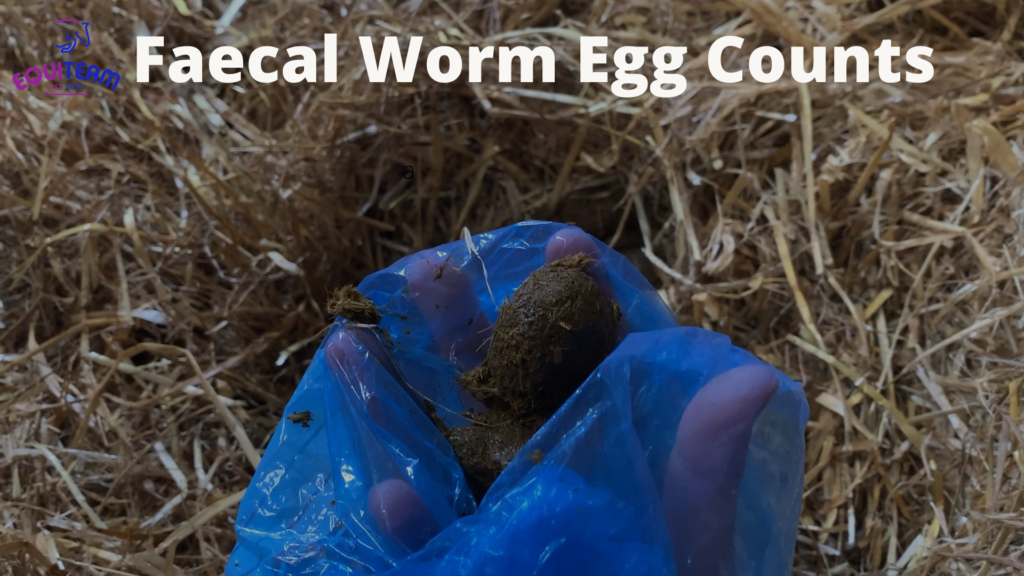
EquiTeam Members can access our FWEC video which tells you everything you need to know about collecting and sending off your samples.
3. Get the fly rugs out early
Flies might not feel like an immediate problem on those crisp spring mornings, but they’re never far away. For horses prone to sweet itch, early prevention is key. Waiting until you see rubbing or irritation often means you’re already on the back foot.
Now is the time to dig out your fly rugs, check they still fit well, and make sure they’re in good condition. A well-fitting rug that provides good coverage – especially over the mane, tail, and belly – can make a huge difference for sensitive horses.
If your horse has a history of sweet itch, consider getting rugs on before the midges really get going. Pair this with good management – such as avoiding turnout at dawn and dusk when midges are most active, and using appropriate repellents – and you’ll give your horse the best chance of staying comfortable.
4. Sort the winter rugs
As temperatures rise, heavy rugs can finally be packed away – but don’t just throw them in a corner and forget about them. Taking the time now to clean, repair, and store them properly will save you both time and money next autumn.
Check each rug carefully for damage: small tears, broken straps, or worn stitching can quickly become bigger problems if left unattended. Sending rugs for professional cleaning not only gets them looking good again but also helps maintain their waterproofing and breathability. Reproofing is particularly important if you want them to perform well next season.
Once clean and dry, store rugs somewhere dry and secure, ideally in breathable bags. It’s a simple job, but one that pays off when the weather turns again.
5. Set your goals and build a fitness plan
Spring is when plans start to become reality. Whether you’ve entered competitions, booked clinics, or simply want to enjoy more active hacking, it’s important to make sure both you and your horse are physically prepared.
Start by being clear about your goals. What do you actually want to achieve over the next few months? Once you’ve defined that, you can work backwards to create a realistic fitness plan.
For your horse, this might mean gradually increasing workload, incorporating a mix of schooling, hacking, and conditioning work, and allowing time for rest and recovery. For you, it could involve improving your own fitness, balance, and strength – all of which directly impact your riding.

The key is consistency rather than intensity. Building fitness takes time, and rushing the process often leads to setbacks, whether that’s injury, fatigue, or loss of motivation.
Spring is an exciting time, full of possibility. By taking a thoughtful, proactive approach now – managing weight, monitoring health, preparing for seasonal challenges, and setting clear goals – you’ll set yourself and your horse up for a successful and enjoyable season ahead.

Don’t forget – if you need a little extra focus you can join the Focused Equestrian Boot Camp – five days of practical ridden, horsecare, mindset and fitness exercises. Sign up for just £12 for 12 months access to the resources.
EquiTeam members can access the boot camp for free as part of your membership!