
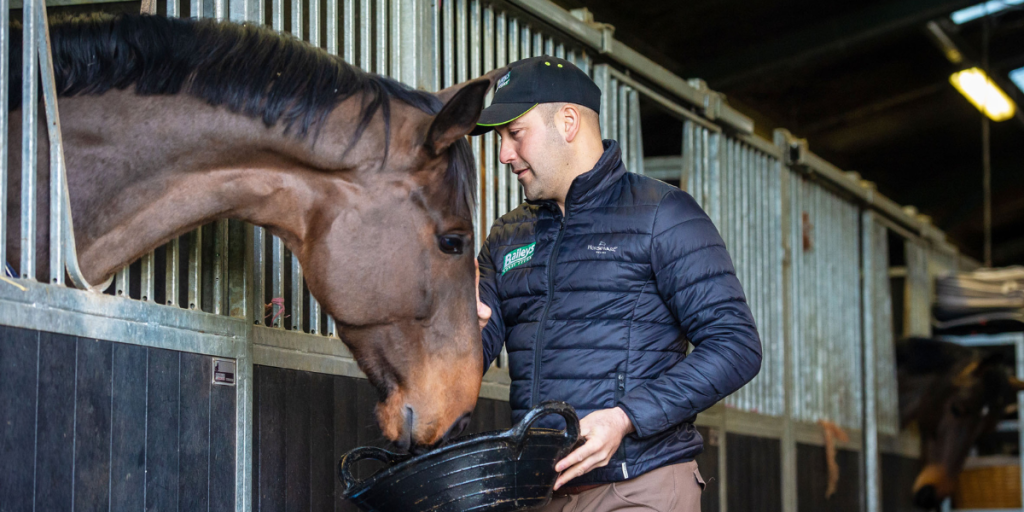
It can be a challenge to know how to manage feeding in winter, but Baileys Horse Feeds are here to. help with their top tips.
Older horses
If you have an older horse or pony, who struggles with poor dentition and chewing hay or haylage over winter, make sure you have a good forage replacement regime in place well in advance, to keep fibre intake high and encourage weight maintenance as the grass starts to decline. Waiting to introduce this until they have already started to lose weight will make it that much harder to get their condition back up when the weather is colder and they are more likely to burn their calories to keep themselves warm. The same applies to the poor-doer – the sooner you act, the less likely you will have to resort to feeding vast volumes of bucket feed to promote weight gain.
Body condition scoring
Monitor your horse’s body condition regularly through the winter months, using body condition scoring, weightaping and taking regular photos. This will help you to more quickly determine if they are losing or gaining weight so you can adjust the diet as needed, preventing over feeding. Remember you can contact feed company helplines for more advice and guidance on this.
Weigh your feed
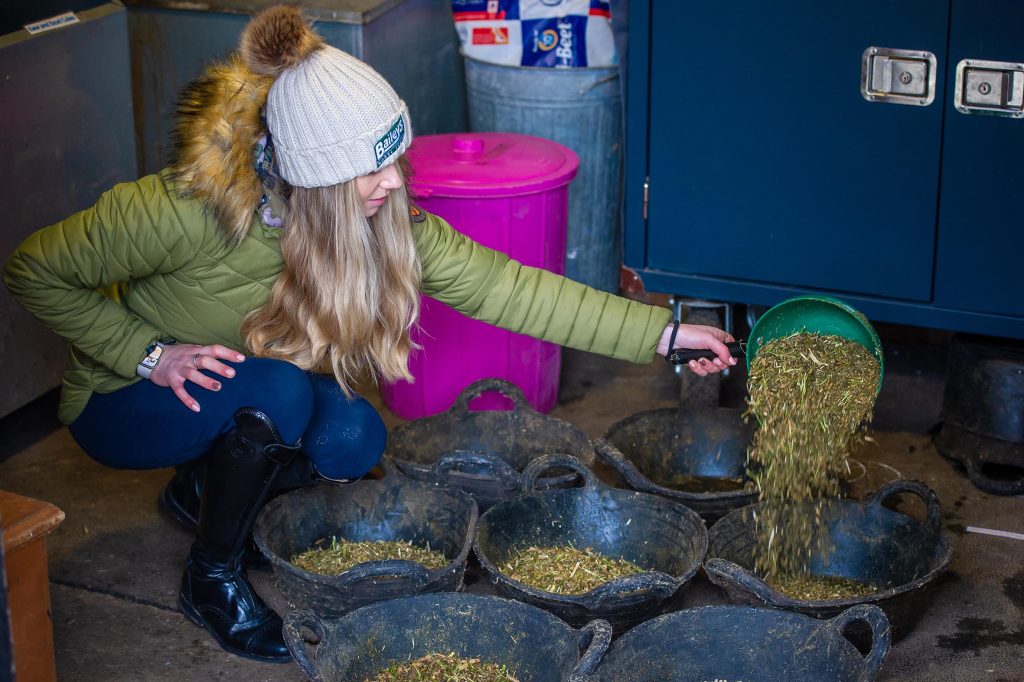
Most feed manufacturers will give quantity recommendations on the feed sacks, which are the minimum amounts that need to be fed for the horse’s size and workload. Recommended quantities will typically be given in kilograms or pounds, rather than ‘scoops’, as scoop size can vary so much. Weighing what your scoop will hold of each of your feeds will help you feed the correct amount, saving you money but, more importantly, ensuring that your horse is receiving a balanced diet.
Weigh your hay
As well as weighing your feed, weighing out your hay or haylage may also help reduce waste. This is particularly useful for the ‘good-doer’ whose calorie intake needs monitoring. For those who struggle with maintaining condition, it can help ensure they are meeting minimum fibre requirements to support digestive health and efficiency.
Don’t top up feed
If you are feeding the recommended amount of concentrate feed for weight and workload, it shouldn’t be necessary to top up with additional licks, powders and pellets. If you’re unsure, check with the feed manufacturer to see that what you are already feeding meet your needs.
· Keep the amount of chaff or chop to a minimum. If a horse does not bolt his feed or have specific needs, chops are not essential, particularly when plenty of hay/haylage is being provided.
· Cheaper feeds can be a false economy as they often have fewer quality ingredients and are lower in calories, meaning you need to feed more to keep your horse in the condition you want.
Keep meal sizes manageable
Ensure you keep meal sizes manageable – over feeding results in your horse not being able to digest what is in the bucket, leading to an expensive muck heap, or worse, digestive upset. If you can’t divide your horse’s total feed ration into enough small meals, each day, to keep them under the equivalent of 0.5kg per 100kg of bodyweight, per meal, talk to a feed company helpline to explore your options.
If you would like any individual feed advice, please contact Baileys friendly Nutrition team on 01371 850 247 (option 2) or nutrition@baileyshorsefeeds.co.uk
Thank you Baileys