Be Prepared
When you have a journey coming up preparation is key. If you or your horse haven’t travelled very much it is a good idea to go on a few short journeys before heading out on longer trips.
Vehicle Maintenance & Breakdown Cover
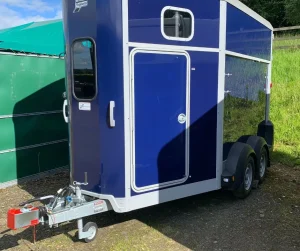
Make sure your lorry or trailer is properly maintained and regularly serviced. Before every trip always check your tyre pressures, lights and tow hitch, oil and water. Make sure you have adequate breakdown cover and read the small print to ensure you have horse recovery included should it be required.
Spare Headcollars
Whether you are going a few miles down the road or heading out on a day or overnight trip always make sure you have packed a spare headcollar, rope and baler twine or quick release ties, and make sure they are easily accessible – you don’t want to be searching for a headcollar with a loose horse.
To Feed or Not to Feed
Horses are trickle feeders and are designed to spend a lot of their day eating. Feeding hay on route will keep their gut motility working well. Haynets should be tied so they can eat easily without having to put their heads higher than is natural, but make sure they can’t get caught up when the net is empty. Always pack plenty of hay for day trips – two good sized nets, one for each leg of the journey.
If your horse usually has hard feed in the morning and you are planning to leave around or just after their usual feeding time, it is advisable to feed 1.5 hours before you set off. If you are needing to leave very early in the morning for a long journey, you could plan in a feeding stop on route, or feed when you arrive (assuming your horse will have time to digest before you ride) but make sure they don’t travel on a completely empty stomach.
If you are going to have a very long day and your horse is accustomed to having an evening feed, consider taking their dinner with you.
Water
Ensure you have two full containers of water in case of an emergency, and pack two buckets, you will need a drinking water bucket and a washing off bucket. You should avoid sharing water buckets or troughs with other horses to avoid the spread of diseases.
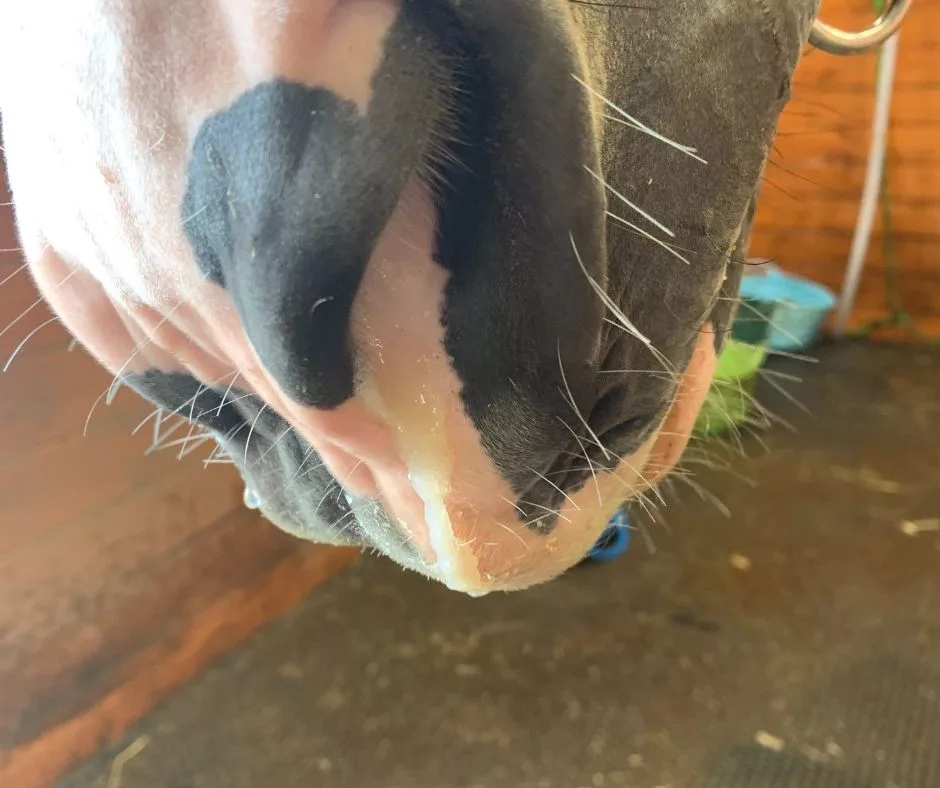
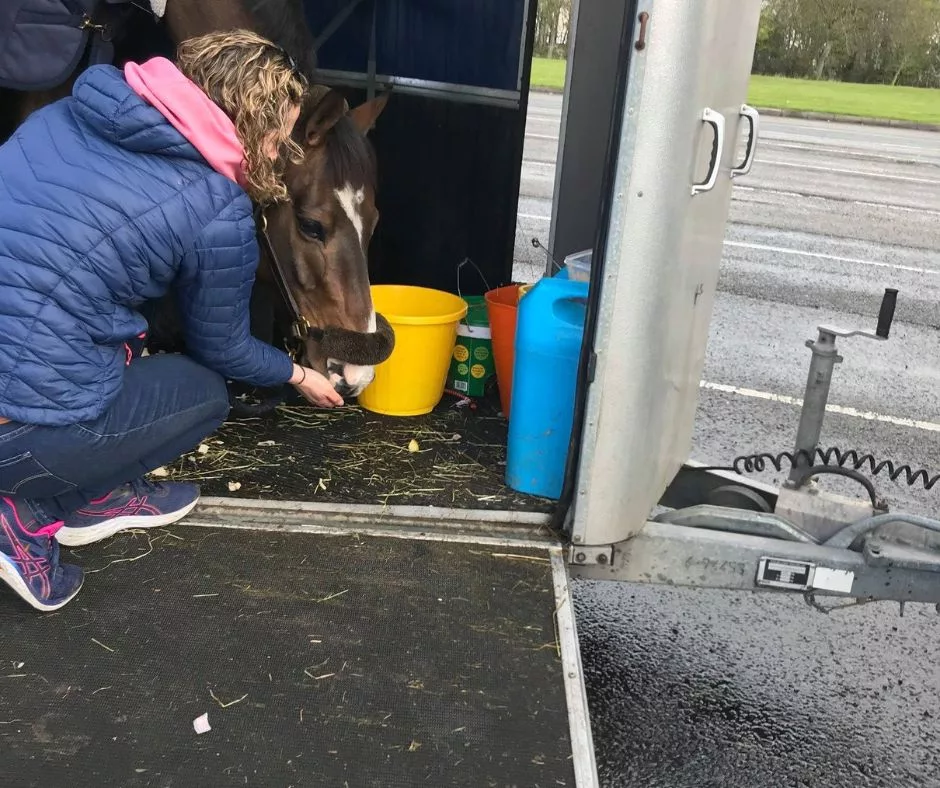
For long journeys stop to give water every 3-4 hours (or in hot weather more frequently). If your horse doesn’t drink while travelling make sure you have given them plenty of water in their feed to help their hydration. You can try adding a little apple juice to water to try to encourage them to drink. Always try and offer the water from the ground so they can get their heads down and allow any mucous build up to drain out.
What to Wear
If they are used to being rugged, a breathable/sweat type rug is best for travelling in case they get hot. Make sure you have another to travel home with so they have a dry rug. Make sure they are warm enough but not over rugged so they don’t over heat and sweat up. Consider the airflow in your vehicle and the weather outside, some lorries and trailers don’t allow as much fresh air in as others. Ventilation is key to a healthy respiratory system and avoiding shipping fever, so keep the windows open and put an extra rug on if they feel chilly.
In cold weather pack extra rugs in case you get stuck in traffic, or you are waiting for long periods between riding.
Boots or bandages are a personal choice but make sure your horse is used to wearing them and you are experienced in putting them on correctly. If your horse has never worn boots or bandages try them on a short journey first. If they won’t tolerate them, it is safer to travel without, rather than having a horse constantly kicking and boots falling off in transit.
Don’t use a tail bandage for journeys over 3 hours and never apply it too tight – use a tail guard instead as the pressure from a bandage can cause damage to the nerves in their tail. When you get home always double check you have removed a tail bandage.
Heading Home
Muck out your trailer before you head home, so they’re not standing on piles of poo! Remember to take your poo home unless the venue has a muck heap!
Don’t push on home without stopping for a break and to offer them water. You should have the same number of stops going home as you did on the way there. They will be tired and need to rehydrate.
Tips for Longer Journeys
Plan your route, and have an idea where you are going to stop for breaks, but have a back up plan in case of bad traffic etc. Some centres like Somerford Park on the M6 will let you stop and off load for a break, but make sure you call and book in advance.
Put some shavings down in the box to encourage them to pee and to soak up any urine.
Travelling is very tiring so it is very important to hand walk after long journeys to allow them to stretch and recover.
Shipping Fever
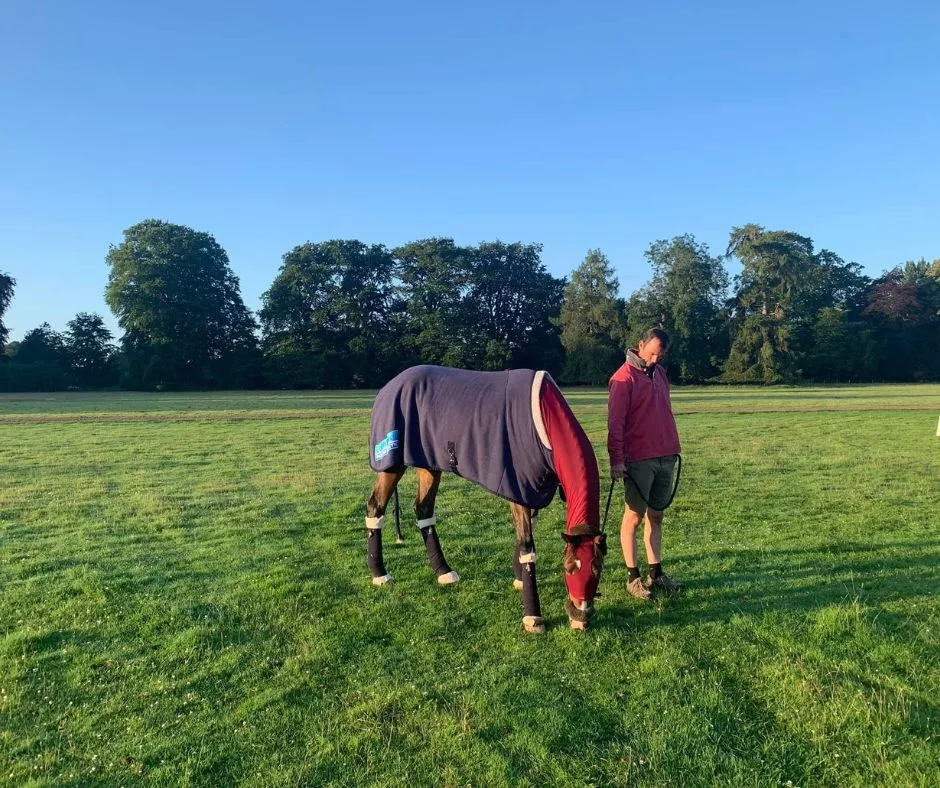
One of the biggest risks with travelling horses long distances is shipping fever. Horses are not designed to have their heads tied up for long periods and the mucous that gathers in their windpipes needs to drain out. If they don’t get their heads down every few hours this can cause an infection and they can become very sick very quickly. Hand grazing and offering them water and feed from the floor at regular intervals, gets their heads down and lets the mucous drain out.
Make sure you monitor their temperature as this is usually the first sign that they are getting sick. If you are travelling abroad it might be sensible to speak to your vet to get some bute and antibiotics to travel with just in case, but always seek veterinary advice before administering them.
Massive thanks to Sara for sharing her top travelling tips with us. Our Facebook group Equiteam Connected, is a great place to ask any questions you might have about travelling so if you are already an EquiTeam member head over to the group and ask away! If you aren’t currently a member you can sign up here and join our awesome community.
Hopefully see you in the group very soon.
Liz, Lou & Liz x