
If you are just getting started in the showing world it can feel quite daunting trying to work out what type your horse is and what class you should be entering.
In the first of our showing series we are going to explain some of the different classes available and what ‘type’ of horse the judges expect to see competing in these classes.
Ultimately showing should be a fun day out and the judges are there to help you learn and improve. Go with an open mind and be willing to take on board their advice, go home and practice and come back again for another go.
Whilst some of the classes are quite self-explanatory such as coloured, veteran or retrained racehorses, other classes are not so straight forward. Just because you have hunted your horse doesn’t mean that it will meet the confirmation and type required in a hunter showing class.
Whilst in other disciplines such as showjumping, your horse’s height dictates what class they can jump in, in showing they need to fit the correct height, type and confirmation to be able to progress up the levels.
That being said at local unaffiliated level you will usually find lots of different types in a class, because like you, everyone else is unsure what class to enter and what is considered the correct type for that class.
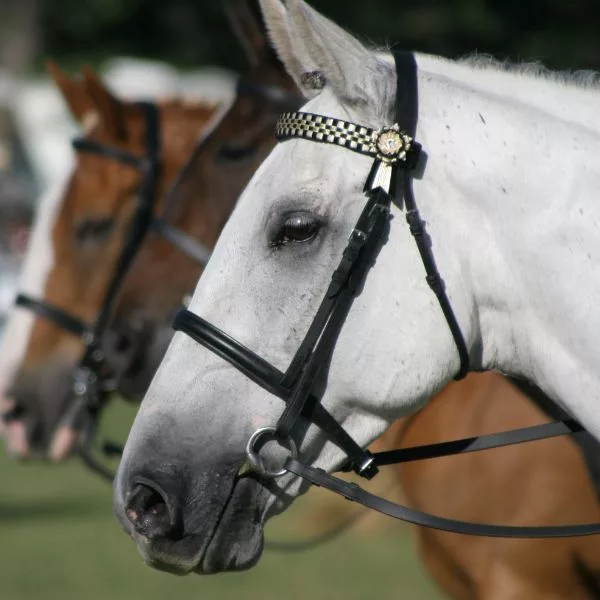
One of the major benefits to showing is there are no rules about how and when you can move up the levels, it is totally up to you, your confidence and your ambition.
Local level shows are a great way to get started and the judges will be able to help advise you on what class is most suitable for your horse. It is also a great opportunity to gain experience, see how your horse compares against others in your class and watch other more experienced competitors. Local shows may also have classes that qualify you for Championship classes like Equifest.
Affiliated Classes
Once you feel more confident you may want to move up the levels and this is where affiliated classes come in. There are a huge amount of showing societies that offer affiliated classes but the better known ones are:
British Show Horse Association – for Hacks, Cobs, Riding Horses, Ladies Show Horses, Ridden Hunters, Retired Racehorses and the Rising Star Series
Sports Horse Breeding (GB) (SHGB) – for Hunters
British Show Pony Society (BSPS) – for Ponies & Mountain & Moorland
National Pony Society (NPS) – for Ponies & Mountain & Moorland
The societies (twenty in total) fall under the umbrella of The Showing Council, which is the governing body for showing, providing a direct link to British Equestrian.
What is the Pinnacle of Showing?
While everyone has different aims, at the very top of the showing world is the Horse of the Year Show (HOYS) and the Royal International, with riders and producers competing at qualifiers all over the country in a bid to win a place at these prestigious championships.
What classes should you enter?
Hunters
Hunters are divided into four sections – small, lightweight, middleweight and heavyweight. Small hunters are the ‘smaller’ middleweight hunters and should measure up to 15.2hh. Lightweight hunters are usually about 16hh – 16.2hh, are usually thoroughbreds, should have about 8.5 inches of bone and are typically ridden by ladies. Middleweights measure up to 16.3hh, should have 9 inches of bone and are ridden by ladies or men.
The heavyweight hunter is traditionally ridden by men and should be capable of carrying 14 stone whilst out hunting for the day, however they should still have plenty of quality. Hunters should all be shown plaited.

Riding Horses
Traditionally riding horses were used for everyday riding, not as heavy as a hunter and not as flashy as the hacks. They are usually split into two sections depending on their height. Small riding horses are 14.2hh – 15.2hh and large riding horses anything over 15.2hh.
Hacks
Hacks are the flashy horses that used to be ridden around the parks in London, but as well as being flashy they are also expected to be the best-mannered horses in the showing ring. They are usually thoroughbreds and are classed as small hacks if they are under 15hh and large if they are between 15hh and 15.3hh.
Show and Working Cobs
The show cob is 15.1hh or smaller and should be a comfortable ride with excellent manners. They are usually of a stocky build with short legs which traditionally made mounting and dismounting much easier out on the hunting field. A working cob competes in working hunter classes specifically for cobs. Show cobs should always be hogged.
Riding and Show Ponies
Usually a native/TB or Arab cross Riding Ponies are up to 15hh. Show Pony classes are for those finer, showier ponies that have more blood in them. The classes are split into three classes depending on height and age of the child – 12.2hh and ridden by children up to 13 years, 13.2hh & 15 years old & 14.2hh and 17 years of age.
Lead Rein and First Ridden Ponies
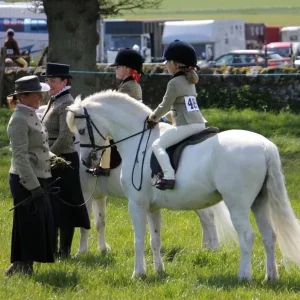
Lead rein ponies should be full of quality with excellent movement, exceptional manners and correct confirmation. Ponies must be four years or over, not over 122cm and their riders should be three-seven years of age.
Whilst first ridden ponies are also under 122cm they are often more forward going with a longer stride and scopier movement. Riders can be up to 10 years old
Mountain and Moorland Ponies
This class is for registered Mountain and Moorland ponies. In the UK the different native breeds are:
- Connemara – height limit 148cm (14.2hh)
- Dales – height 14hh – 14.2hh
- Dartmoor – height limit 127cm (12.2hh)
- Exmoor – stallions & geldings 11.3hh – 12.3hh and mares 1 inch shorter
- Fell – must not exceed 14hh


- Highland – height range 13hh – 14.2hh
- New Forest – must not exceed 148cm
- Shetland – must not exceed 107cm at four years of age
The Welsh breed is split into four categories:
- Section A – must not exceed 121.9cm (12hh)
- Section B – a bigger, more substantial version of a Section A
- Section C – a cob type they must not exceed 137.2cm (13.2hh)
- Section D – a bigger version of the Section C there is no height limit
Intermediate Show Riding Type
These classes are for the larger show ponies and older riders. Ponies (& horses) should be 146 – 158cm with presence and good movement. The riders must be 25 years or under.
Show Hunter Ponies
Show hunter ponies are miniature show hunters and should have similar confirmation and movement. The classes are split into the following sections:
Under 122cm – Riders 11 years and under
Up to 133cm – Riders 14 years and under
Up to 143cm – Riders 17 years and under
Up to 153cm – Riders up to 20 years
Coloured
Any type of horse can enter a coloured class as long as it is piebald or skewbald. At your local shows coloured classes may also allow palominos, dun, roans and spotted horses but make sure you check the schedule.
Riding Club Horse or Pony
Any type of horse or pony can take part in this class as long as they are capable of taking part in all types of riding club activities. Confirmation and type is less important than willingness and obedience. There is usually a small jump for riders to do as part of their individual show.
Cob Type
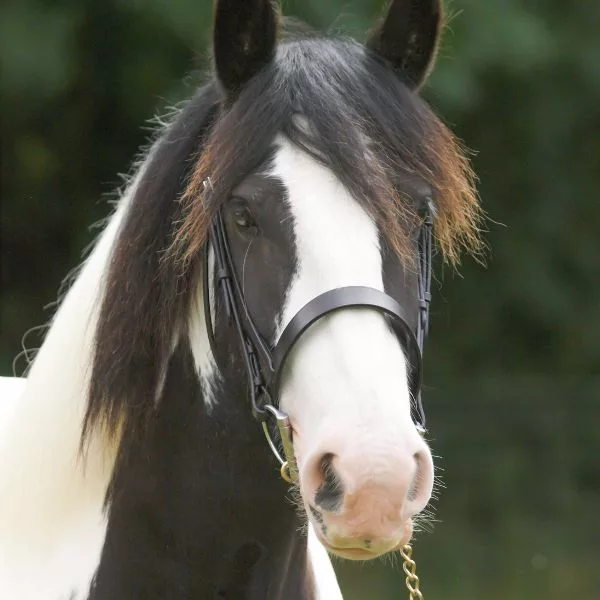
If your cob doesn’t quite fit the type for the show cob classes, then this is the class for you. They may be too big or too small or you may not want to hog and trim them. Local shows will often run these classes and in general turnout is not as strict.
Veterans
This is a class for any type, colour, breed or size. Pre-Veteran classes are for animals aged 15-19 years old, Veteran classes are for horses that are 20-24 years and the Veteran Plus classes for 25 years old and over.

Family Horse/Pony
This class is open to everyone but the types that tend to do well are the large native or cob types or a small TB type. The reason for this is that the horse or pony is expected to be suitable for at least two members of the family to ride and you may be asked to prove this in the ring, with both doing an individual show.
Best Turned Out
This class is not about confirmation or type and purely based on the appearance and tidiness of the horse and rider. Great for young horses to get ring experience or for those with horses or ponies that don’t conform to a certain type to excel in other classes.
Keep an eye out for our next showing blog where we’ll look at what happens in the ring and the finer details of ringcraft.
Liz, Lou & Liz x