

Much as we would like to think that our horses know it is Christmas Day, they actually only realise anything is different about the day because we change their routine.
Sometimes they will spend longer stabled than usual and not get their usual amount of turnout or ridden exercise.
Impaction Colic and Tying Up are two of the most common problems occurring over the festive period.
Impaction Colic
Impaction colic can occur when horses aren’t drinking enough water and/or aren’t getting enough movement to help their gut motility.
What are the signs?
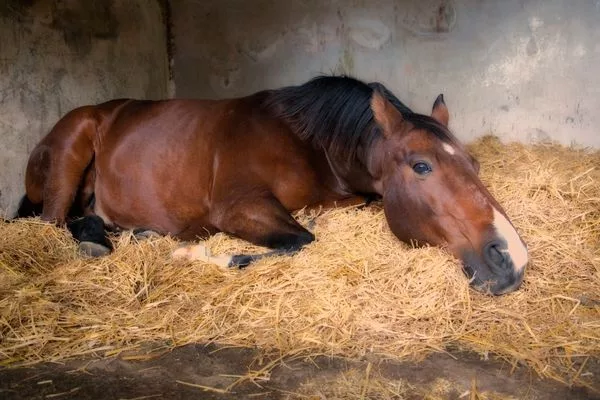
You might get classic colic symptoms such as sweating and rolling, or they might just be a little bit off their food, looking at the stomach or lying down more than normal. They may be producing less poo, or it might be dryer and harder.
How to avoid it!
Try to keep routines as close to normal as possible, add extra water to their feeds, include some form of exercise in their day and keep them eating little and often. If you are rationing their hay, use a small-holed net, or put one haynet inside another to make them work harder for their food.
Tying Up
It can be quite common to see horses tie up on Boxing Day after they have had limited or no exercise on Christmas Day and no adjustment to their hard feed, followed by a bigger than usual amount of exercise on Boxing Day.
What are the signs?
Signs can vary from but can include feeling a bit stiff and not moving freely, sweating and tail swishing. They can also look colicky, shivering, sweating and shaking with hot painful muscles.
It is a very painful condition for horses and should be treated as an emergency. If your horse starts to tie up while you are out riding, if at all possible, you should not continue and get them transported home to avoid any further damage to their muscles.
You should always call your vet for treatment, horses can look as though they have recovered quite quickly, but in some cases will actually take several days or weeks to recover fully.
If your horse ties up stop exercise immediately, keep them warm and offer them water. Take a note of the colour of their urine if they do wee, to inform the vet when they arrive.
How to avoid it!
Horses should be fed for the amount of work they are doing. It is really important to remember if down time is planned, that you reduce their amount of concentrated food before and during their day off. You should only increase it back to normal once their workload is back to it’s usual level.
Key points for avoiding a vet call out over Christmas:
- Keep routines as close to normal as possible
- Keep them hydrated
- Feed for the level of work they are doing
- Keep their gut moving with food little and often and exercise
- Most importantly it is far better to call your vet out on Christmas Day than delay until Boxing Day and have their condition worsen