
Atypical myopathy, a sudden onset of muscle disease, has been recognised in horses for over 60 years but its cause, the toxin hypoglyxin A, was not identified until 2013.
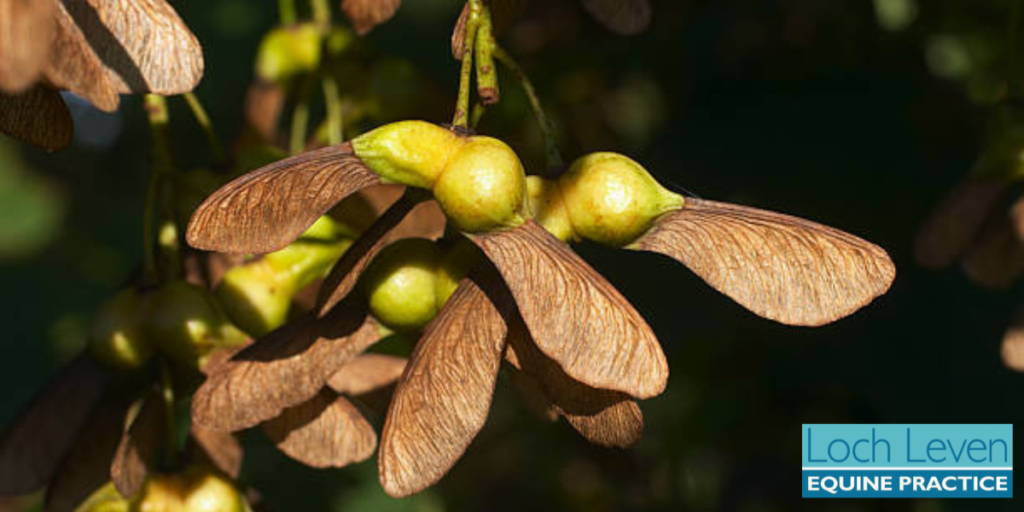
In the UK, the most common source of the toxin is now known to be the sycamore tree (Acer Pseudoplatanus), a member of the maple tree family. The trees share the typical helicopter shaped fruit that helps to make them airborne. This means that seeds can be distributed over long distances, and can easily travel several hundred metres, with reports up to 4km.
The winds that we have been experiencing early this autumn can result in a greater spread of the seeds over a short duration of time, which may then end up in our fields.
Horses do not typically choose to eat sycamore seeds, however when pastures are bare, there is a greater tendency for them to be ingested as horses are foraging for every last blade of grass.
If your horse has access to a natural water supply then be aware that seedlings at the edge of watercourses can also contaminate water supplies, especially when trampled as horses walk across them.
Prevention
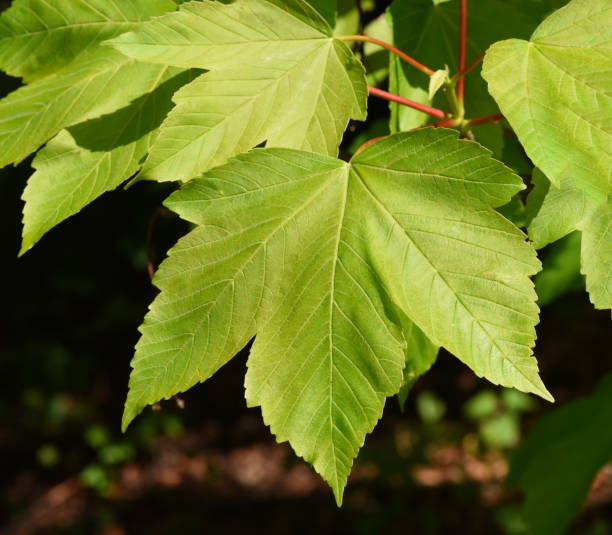
Identify trees both around your fields, as well as those in close proximity. If you are unsure you can check here: www.tree-guide.com.
Collect seeds or exclude horses from affected areas using electric fencing or stabling.
Feed supplementary hay to try and prevent horses from excessive foraging for short blades of grass and inadvertent ingestion of seeds.
If you think that your horse may have come into contact then monitor carefully as disease can occur up to four days after exposure. Call your vet for advice.
Clinical signs
The clinical signs of atypical myopathy vary considerably, but the most consistent is the passing of dark brown urine as a result of muscle breakdown.
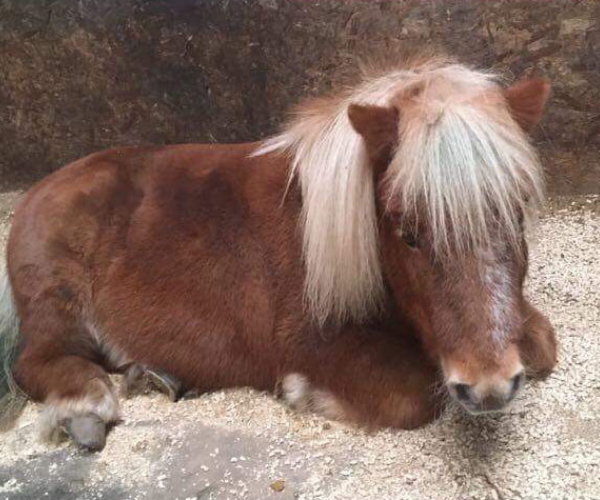
Horses usually become weak and reluctant to move and may lay down, but usually have a normal or increased appetite.
In the most severe cases the horse will develop very severe colic-like signs as a result of significant pain. In some horses the severity of muscle pain leads to euthanasia on welfare grounds.
These signs occur as a result of the active toxin which prevents muscles from undergoing normal energy metabolism. It can affect all muscles in the body including the respiratory muscles and heart.
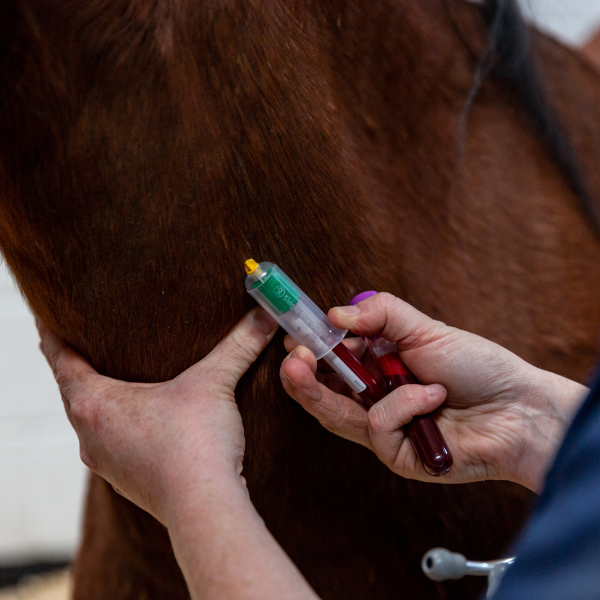
Specific blood tests have been developed to both measure exposure to the toxin and to make a diagnosis.
Thank you to Loch Leven Equine Practice for sharing this with us. If you have any concerns please call your vet even if just for advice.